
Land + build budget
Ground-up financing typically covers the lot (or existing land value) plus the construction budget — hard costs, permits, and the line items in your build plan. The loan is sized to the project, not a generic purchase mortgage.
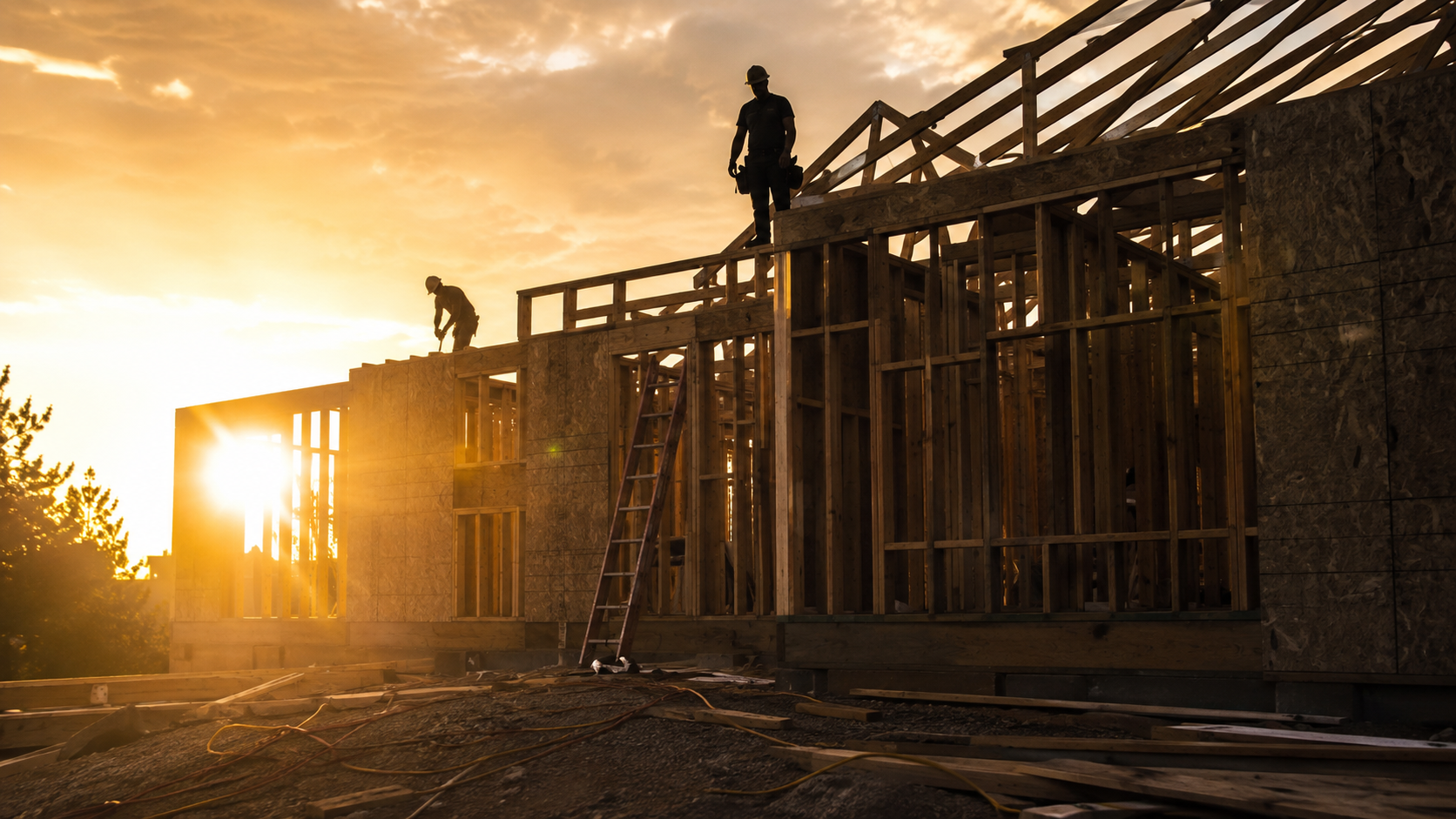
A ground-up construction loan finances a new residential build from the lot through completion — land, hard costs, and the draw schedule that keeps the project moving. It's built for investors who want to control the build, not wait on conventional construction timelines.
Whether you're starting from a vacant lot or tearing down to rebuild, ground-up financing is structured around the budget, the build plan, and a clear exit — sell, rent, or refinance when the certificate of occupancy is in hand.
A clear look at the structure — so you know what you're applying for before you break ground.
Ground-up financing typically covers the lot (or existing land value) plus the construction budget — hard costs, permits, and the line items in your build plan. The loan is sized to the project, not a generic purchase mortgage.
Construction funds are released in draws as milestones are completed and verified — not funded all at once on day one. That keeps capital aligned with actual progress on site.
Underwriting centers on your construction budget, architectural plans, and the finished value of the completed home. A realistic scope and timeline are as important as the numbers on the purchase side.
Construction loans are short-term by design — built around the build schedule and your exit. When the project finishes, you typically sell, rent, or refinance into long-term financing.
Have these basics ready and we can move quickly. You don't need every document finalized — but a realistic budget and build plan go a long way toward a clear answer.
Still modeling the deal? Use theFix & Flip Profit CalculatororMax Offer Price Calculatorin ourInvestor Tools.
Ground-up construction is capital-intensive and time-sensitive — the financing needs to match the pace of the build.
Conventional construction lenders move slowly. Hard money ground-up financing is built for investors who need to close on the lot and start building — not sit in a months-long approval queue.
Approval centers on the land, the build budget, and the completed value — not a W-2 stack. The project economics drive the decision.
Spec builds, infill lots, tear-down-and-rebuild — ground-up loans are structured for investment exits, not owner-occupied custom homes with bank-style documentation.
Draw requests, inspections, and timeline questions go to the same team funding the deal — fewer handoffs when something changes on site.
Straight answers on experience, draws, property types, and what happens at completion.
Experience helps with leverage and pricing, but it isn't always a hard requirement. What matters most is a realistic budget, a credible build plan, and a clear exit. First-time builders may see different terms than experienced developers.
Funds are released in stages as work is completed and verified — typically after inspection of each draw milestone. You request a draw, document the progress, and receive the next tranche of construction capital. You generally don't pay interest on funds you haven't drawn yet.
Yes. If you already own the land, the loan can be structured around the land equity plus the construction budget. Share your lot details and we'll walk through how the numbers work.
Single-family residential and small multi-unit investment builds are the focus. Certain asset types — like mobile homes, raw land without a build plan, or mixed-use — may not fit. We'll confirm eligibility on your specific address before you invest time in the file.
Timelines depend on how complete your budget, plans, and documentation are. Ground-up files often take longer than a simple fix and flip purchase because of the build scope — but hard money still moves faster than most conventional construction lenders. Share your deadline and we'll set expectations upfront.
Most investors sell the completed home, rent it and refinance into DSCR financing, or hold per their original business plan. The construction loan is short-term — your exit strategy should be clear before you break ground.
Many investors close in an LLC and it's often preferred, but an LLC is not a hard requirement. We can talk through what usually works before you apply.
680+ will yield better terms and leverage, but lower credit can be considered depending on circumstances.
Send the lot details, budget, and build plan — we'll tell you what it takes to finance, usually within one to two business days.