What Hormozi Gets Right on Flipping
Alex Hormozi's business advice applies directly to fix and flip — deal flow beats decor, reps beat theory, and a strong deal attracts capital fast. Here's what I'd tell every first-time investor.

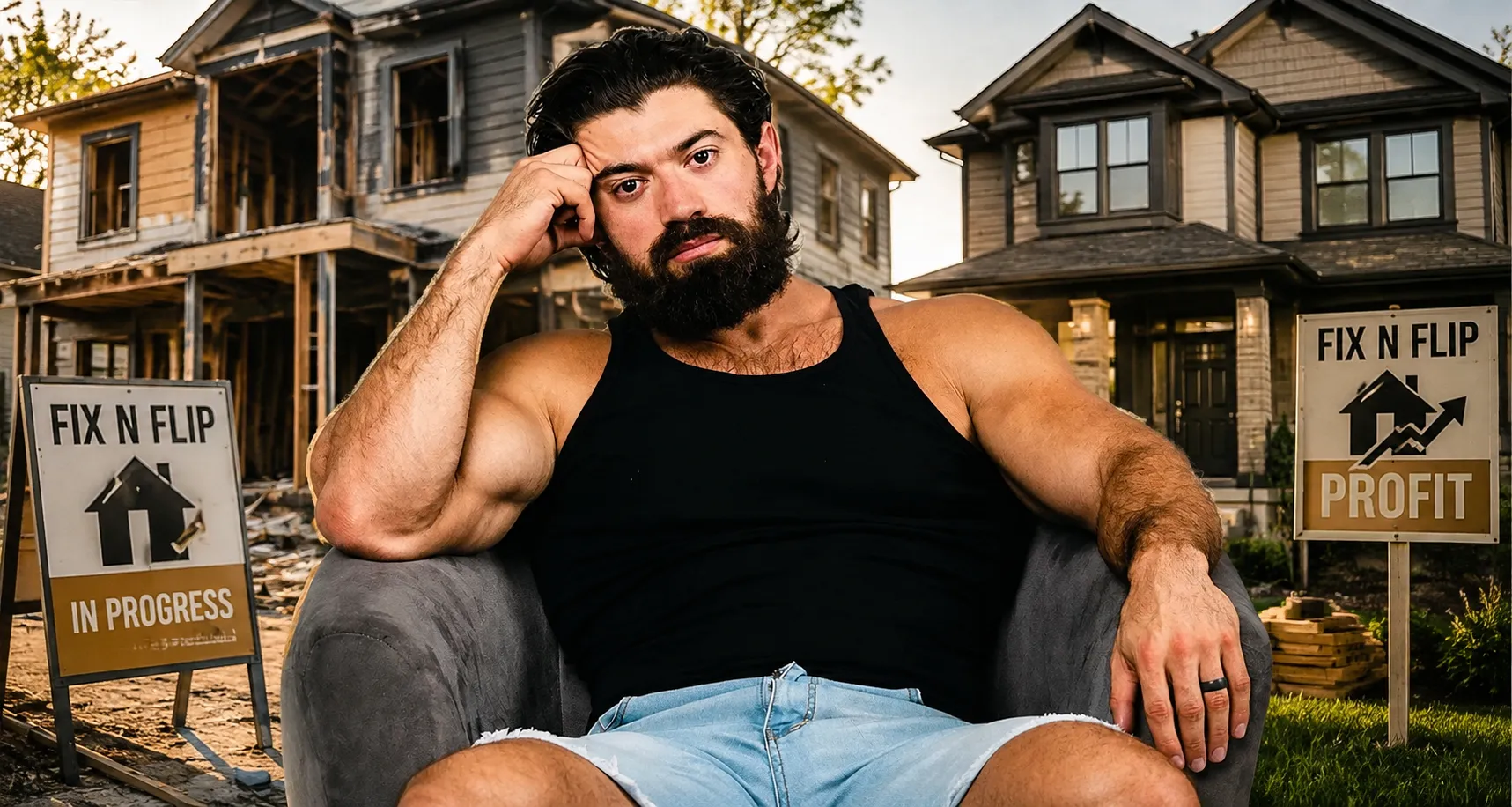
Most people who want to flip houses start in the wrong place.
They watch renovation videos. They debate paint colors and cabinet styles. They worry about whether they need a contractor’s license or how to swing a hammer. Meanwhile, the investors who actually close deals are obsessing over something completely different: where the next profitable opportunity is coming from.
Alex Hormozi isn’t a house flipper — he’s a business operator who coaches people on acquisition, sales, and execution. But a lot of what he says maps directly to fix and flip. I hear the same patterns from investors who come to Best Lending Co for funding: the ones who struggle aren’t usually short on ambition. They’re short on deal flow, reps, and conviction in their numbers.
Here’s what I’d take from Hormozi’s playbook and apply to flipping houses today.
The Real Bottleneck Is Not Money
This is the line I hear more than any other from first-time investors: “I can’t flip because I don’t have enough cash.”
Hormozi makes a similar point in different words — if the deal is real and the margin is real, capital tends to show up. If the deal is bad, no amount of money saves it. As a direct lender, I see this every week.
On a typical first-timer deal, we fund up to 87.5% of the purchase price plus 100% of the rehab budget — roughly 90% loan-to-cost. On a $200,000 purchase with a $50,000 rehab scope, you’re not bringing $250,000 to the table. You’re planning on something closer to $30,000–$50,000 out of pocket plus reserves.
Hard money lenders, private partners, and joint venture capital all exist because investors need leverage on real estate. The constraint is almost never "is there funding?" — it's "is this deal worth funding?"
If you have a property under 75% of after repair value (ARV) with realistic rehab numbers and a clear exit, we can usually have a conversation. If the numbers don’t work, no lender magic fixes that.
Flipping Is a Deal Flow Business First
Hormozi talks about acquisition constantly — and house flipping is acquisition with a renovation and resale attached.
The business stack, in order:
- Deal flow — finding discounted or distressed opportunities before or as they hit the market
- Sales — making written offers, working with agents, getting under contract
- Operations — scopes of work, contractors, timelines, draws
- Capital allocation — how much to pay, how much to rehab, when to exit
Construction is one piece of operations. It’s not the business. Beginners who spend six months learning about tile and zero months making offers are building the wrong skill first.
You Need a Deal Acquisition System, Not Luck
You can’t sit around waiting for the perfect listing to fall in your lap. Hormozi calls this deal flow — I’d call it a system:
- Defined markets and property criteria you actually understand
- Relationships with agents and brokers who know you close
- A repeatable way to analyze ARV, rehab, holding costs, and profit
- A weekly offer count — not “when something looks good”
On-market inventory gets overlooked constantly. Stale listings, bad photos, price reductions, estate sales, tired landlords, and failed flips often hide margin in plain sight. The skill isn’t spotting a pretty house. It’s spotting mispriced distress and making enough calculated offers that one sticks.
Hormozi puts it bluntly: repetition is the mother of skill. I’d add — deliberate repetition. Ten bad offers teach you bad habits. Ten offers reviewed against real comps and a deal calculator teach you something.
Run your numbers on our Fix & Flip Profit Calculator before you call me. That’s not homework — that’s how you build conviction.
Reputation Compounds Faster Than Marketing
After a few clean closes in one market, something shifts. Agents stop treating you like a tire-kicker. Brokers send opportunities to people they trust to perform — not the loudest person on social media.
Hormozi talks about trust and conviction on sales calls. In flipping, that shows up when:
- You respond quickly with a justified offer, not a random lowball
- You close on the date you said you’d close
- You communicate when inspections, draws, or timelines change
- You don’t waste an agent’s time on deals you can’t fund
One great agent can feed you deal after deal. One lender relationship speeds up every future file. Reputation is part of acquisition — and it costs nothing except consistency.
Reps Beat Another YouTube Video
Hormozi didn’t say go read another book. He said do the reps.
For flippers, reps look like this:
- How many listing agents did you talk to this week?
- How many properties did you analyze against ARV and rehab?
- How many written offers did you submit?
You can study flipping for six months and still not know how to make a good offer. Or you can start analyzing deals this week and learn more in two weeks than most people learn in two years.
But reps without feedback are dangerous. Track your KPIs. Review why offers got rejected. Compare your rehab budget to what contractors actually bid. Repetition with correction is what turns activity into skill.
Stop Switching Strategies Before You Finish the Bridge
One of Hormozi’s best lines: a mediocre plan executed for a decade beats a perfect plan executed for a day.
I watch investors start wholesaling, hear flipping pays more, pivot to rentals, then Airbnb, then creative finance — and never get good at finding and controlling a deal. Wholesaling, flipping, and buy-and-hold all work. None of them work if you switch every month.
The core skill underneath every exit is the same: find a discounted property, analyze it correctly, get it under contract. Then you choose the exit — flip it, wholesale it, or hold it as a rental. The acquisition engine stays constant.
Hormozi calls this the fallacy of the perfect pick. There is no perfect strategy — only tradeoffs:
- Fix and flip — higher profit potential, more moving parts, short-term capital
- Wholesale — lower risk and faster paydays, smaller checks
- Rentals / DSCR — long-term wealth, need patience and capital
Pick a lane long enough to get competent. Master acquisition first. Everything else gets easier when deals are actually coming in.
Conviction Comes From Knowing Your Numbers
When you understand purchase price, repair scope, ARV, interest-only holding costs, closing costs, and minimum profit, you sound different on the phone — in a good way.
Agents can tell when you’re guessing. Lenders can tell when you haven’t stress-tested the deal. Sellers can tell when you’re not confident in your offer.
Conviction isn’t hype. It’s preparation:
- ARV backed by comps Know what the finished product sells for — not what you hope it sells for.
- Rehab budget with contingency Plan on overruns. Lenders often want **20% rehab contingency** in reserves.
- Holding cost math At **9–11%** interest, a $200,000 loan runs roughly **$1,500–$1,800/month** interest-only.
- Exit before you close Know whether you're selling retail, wholesaling, or refinancing — and under what timeline.
- Offer at the number that works Not the number that wins a popularity contest.
That’s why I push investors toward tools and honest underwriting before we talk terms. When you know the deal works, funding is a logistics conversation — not a sales pitch.
What I’d Do If I Were Starting Today
If Hormozi were building a flipping operation from scratch, he’d start with acquisition — who controls the deals, how do I get in front of them, how do I make enough offers, how do I build trust, how do I make it repeatable?
I’d tell a first-time investor the same thing, with one lender-specific add:
- Pick one market and learn it deeply
- Build agent relationships before you need a deal tomorrow
- Run every deal through real numbers — ARV, rehab, holding, profit
- Submit offers weekly until the market teaches you something
- Line up funding early so you’re not scrambling when a deal hits
We can close fix and flip loans in as fast as two business days; average is seven to ten. Speed matters when you’re competing — but only if the deal actually pencils.
If you’re ready to submit a specific property, start at funding options or book a call. I’ll tell you straight if the numbers work or if you should keep looking.
The Machine You’re Building
House flipping isn’t a hobby that costs you time between HGTV episodes. It’s a business that finds, funds, renovates, and exits properties — over and over.
Hormozi gives you the principles: deal flow, reps, commitment, conviction. Best Lending Co handles the capital side when you’ve done the work on the front end.
The question isn’t whether flipping works. It’s whether you’re building a machine that can find good deals consistently — because that’s what separates investors from people who almost started.
Have a deal you're analyzing right now?
Book a call or run it through our Fix & Flip Profit Calculator first. If the numbers work, we'll talk terms. If they don't, you'll know before you write an offer.
Great deals attract capital. Let's see if yours is one of them.